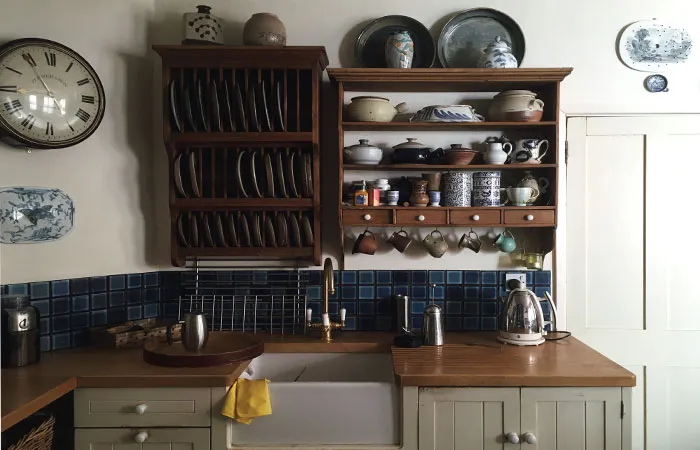
You know that feeling. You’re at a flea market or scrolling through an online vintage shop, and you spot it. A cast iron skillet with a perfect patina, a set of mismatched but charming teacups, or a wooden rolling pin that looks like it’s shaped a thousand pies. That’s heirloom kitchenware. And honestly, it’s having a moment.
But here’s the deal: as this trend grows, so do the questions. Is buying old stuff actually ethical? Where does it come from, and who benefits? Let’s dive in beyond the rustic Instagram photos and into the real, sometimes messy, world of sourcing these pieces with a past.
What Makes It “Heirloom,” Anyway?
First, a quick clarification. Heirloom kitchenware isn’t just “used.” It’s items built to last—often decades or centuries—with a design and material quality that transcends a single generation. Think of your grandma’s sturdy Pyrex bowl, a hand-forged carbon steel knife, or a stoneware crock. They carry stories in their scratches and stains.
This durability is, in fact, the first ethical win. It’s the ultimate anti-fast-fashion statement for your kitchen. You’re choosing an object with a history and, with care, a future. That’s a powerful shift away from our throwaway culture.
The Ethical Landscape: It’s Not All Black and White
The Good: Sustainability and Story
The most obvious benefit is environmental. Buying heirloom is the pinnacle of recycling. You’re diverting items from landfills, saving the energy and resources needed to produce something new. No new mining, no plastic injection molding, no overseas shipping for that one item.
Then there’s the cultural preservation. These items are tactile history. A 1950s jello mold tells a story about post-war American cuisine. A hand-thrown ceramic bowl connects you to an artisan’s touch, maybe from a century ago. You become a custodian, not just an owner.
The Gray Areas: Sourcing and Provenance
This is where things get nuanced. The ethics hinge entirely on how and from whom you source. Not all vintage dealers operate with the same transparency.
Think about it. That beautiful bundle of antique silverware at a bargain price… could it have been lifted from an estate sale without family knowledge? Are online sellers “picking” from economically distressed communities without fair compensation? It’s a uncomfortable question, but a necessary one.
The goal is ethical sourcing of vintage kitchenware—a model that respects the item’s origin and ensures the transaction benefits the right people.
A Practical Guide to Conscious Sourcing
So, how do you navigate this? How do you find ethically sourced heirloom cookware? Here’s a kind of roadmap.
1. Ask Questions. Lots of Them.
Don’t be shy. A reputable seller should be able to tell a story. “Where did this come from?” “What do you know about its history?” If you get vague answers or defensiveness, consider it a red flag. Look for sellers who are passionate about provenance, not just profit.
2. Prioritize Direct and Local Sources
This is often the most ethical path. Buying directly from the family or individual who owned the item cuts out middlemen and ensures the seller gets full value. Check out:
- Local estate sales run by families.
- Community flea markets where individuals sell their own finds.
- Online platforms that facilitate person-to-person sales (with good reviews).
3. Support Ethical Resellers
Many small businesses and dealers build their entire model on respectful sourcing. They build relationships, pay fair prices for lots, and often do the hard work of restoring items responsibly. Their prices might be higher, but you’re paying for expertise and ethics.
4. Be Wary of Trends and “Flipping” Culture
When a specific item—like old Pyrex or cast iron—becomes wildly trendy, it can create a kind of “gold rush.” Prices soar in certain communities, and pieces can be stripped from regions where they’re still part of daily life. Be mindful. Is your purchase feeding a harmful cycle?
Material Matters: The Ethics in the Object Itself
Part of assessing an heirloom piece is understanding its material history. This table breaks down common materials and their ethical considerations:
| Material | Ethical & Practical Points |
|---|---|
| Cast Iron | Often lasts 100+ years. Look for pieces without heavy rust or cracks. Re-seasoning is a sustainable act of care. |
| Glass (Pyrex, Fire-King) | Durable but can chip. Check for lead content in very old painted designs (pre-1970s). |
| Ceramic & Stoneware | Check for cracks and glaze crazing. Handmade pieces support past artisan economies. |
| Copper & Tin | Beautiful, but ensure cookware surfaces are lined (for safety) and intact. Restoration can be specialized. |
| Wood | Look for tight grains and no rot. Avoid pieces with a strong, musty odor. Can often be sanded and re-oiled. |
Honestly, the act of restoring a piece—seasoning that pan, oiling that board—is a huge part of the ethical journey. You’re extending its life with your own labor, weaving your story into its timeline.
The Human Connection: The Real Value
At its heart, choosing heirloom is about rejecting disposability. It’s a quiet protest. Every time you cook with that heavy, old pot, you’re connected to a chain of meals and hands that came before. You’re slowing down.
Sure, it’s not perfect. Sometimes you’ll buy something and later learn a better way to have sourced it. That’s okay. The point is intention. It’s about moving away from passive consumption and towards mindful curation.
Your kitchen becomes a collection of stories, not just tools. And that, well, that changes the way you cook. It adds a pinch of gratitude, a dash of history. You handle things with more care. You waste less food because you’re cooking in a vessel that demands respect.
In the end, the most ethical kitchen might just be the one filled with well-loved, thoughtfully sourced pieces that you intend to pass on. It’s not about achieving perfection, but about participating in a cycle of care that stretches both behind and ahead of you. Now that’s a legacy you can cook with.