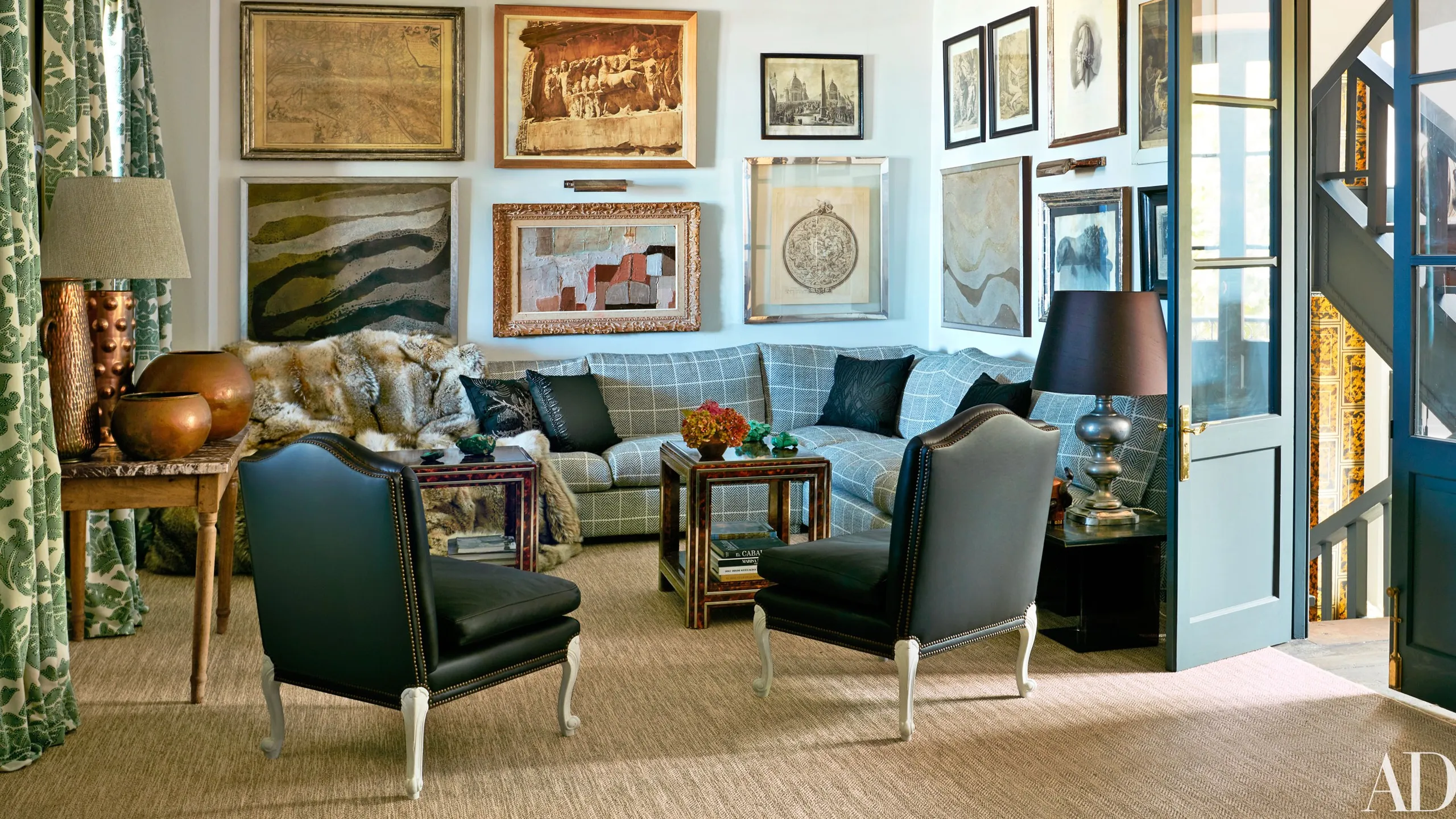
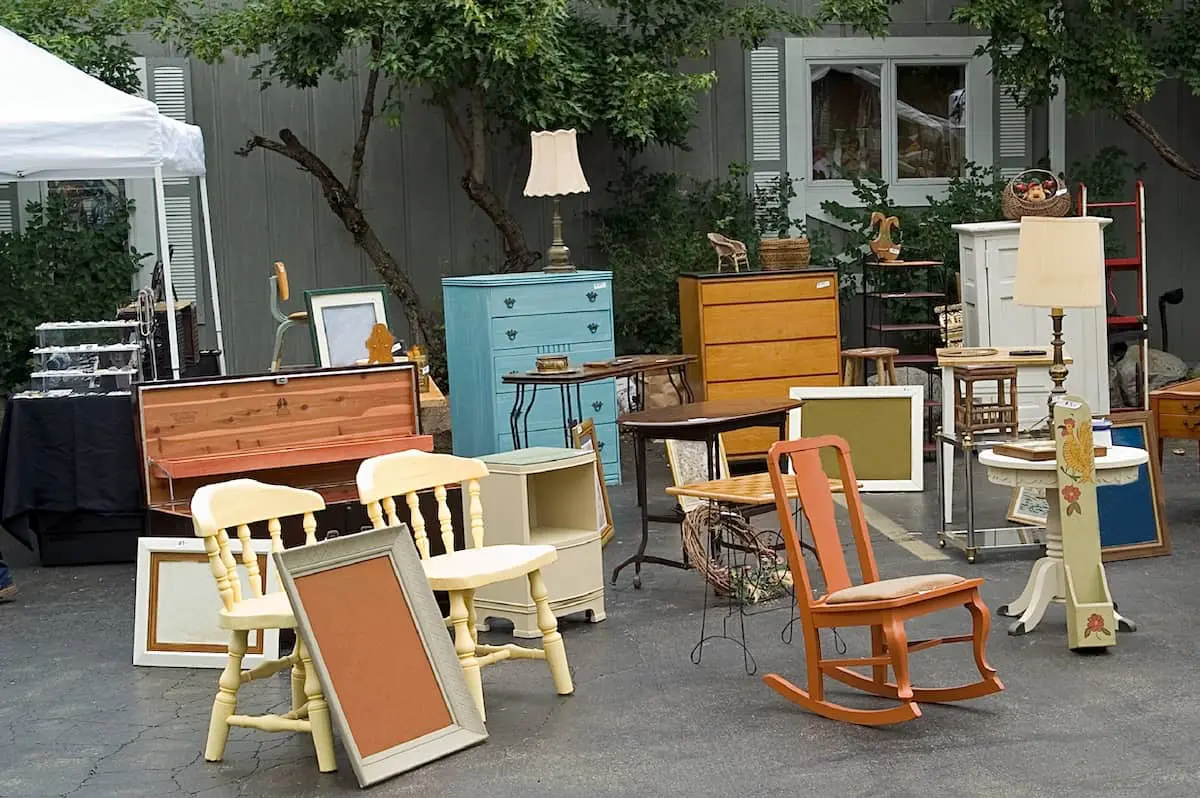
Let’s be real—your home office isn’t just a desk and a chair anymore. It’s a command center, a Zoom studio, a place where you stash laundry you’ll “fold later.” And honestly, the biggest pain point? Space. Or rather, the lack of it. That’s where customizable modular furniture steps in, like a quiet hero you didn’t know you needed. It’s not just furniture; it’s a shape-shifter for your work life.
Why Your Home Office Needs to Bend, Not Break
You’ve probably felt it—the squeeze. One day you’re a solo freelancer, the next you’re sharing a corner with a partner or a toddler’s art station. Static furniture doesn’t get it. It’s like trying to fit a square peg in a round hole… but with more cable management drama.
Modular furniture—think stackable shelves, adjustable desks, and reconfigurable cabinets—lets you adapt. You can shift from a standing desk setup to a collaborative workbench in minutes. No tools required. No tears. Well, maybe a few if you lose an Allen wrench.
The Real Pain Point: One-Size-Fits-All Is a Lie
Here’s the thing—most home offices are awkwardly shaped. A nook under the stairs. A corner of the bedroom. A closet that’s seen better days. Off-the-shelf furniture assumes your space is a perfect rectangle. Modular pieces? They’re like LEGOs for grown-ups. You can build up, out, or sideways. And if you move? They come with you. That’s not just convenience; that’s freedom.
What Makes Modular Furniture So… Adaptable?
Okay, let’s break it down. It’s not magic—though it feels like it sometimes. It’s design. Think of it as a system of interchangeable parts. A desk that converts into a shelf. A cabinet that becomes a room divider. A chair that… well, okay, chairs are still chairs. But you get the idea.
Here are the key features to look for:
- Adjustable heights — Sit or stand, no sweat. Some desks even remember your settings.
- Interchangeable panels — Swap out a solid wood top for a whiteboard surface. Instant brainstorming zone.
- Stackable storage — Add drawers, cubbies, or open shelves as your needs grow. Or shrink.
- Wheeled bases — Roll your entire setup to the sunny window or the quiet corner. No heavy lifting.
- Cable management built in — Because nobody wants to look at a spaghetti mess of wires.
Sure, you could buy a traditional desk. But then you’re stuck. Modular? You’re the boss of your layout. And that feels good.
How to Design Your Adaptable Workspace (Without Losing Your Mind)
Let’s talk strategy. You don’t just throw modular furniture into a room and hope for the best. Well, you could. But here’s a better way.
Step 1: Map Your Workflow
Think about your day. Do you need a big surface for sketching? Or just a laptop stand and a coffee cup holder? Maybe you switch between focused work and video calls. Modular pieces let you create zones. A low table for casual meetings. A high desk for deep focus. And a shelf for your plants—because they’re part of the team now.
Step 2: Start Small, Scale Smart
You don’t need a full system on day one. Start with a modular desk and a storage cube. See how it feels. Then add a side panel or a rolling cart. It’s like building a playlist—you add tracks as you go. And if something doesn’t work? You reconfigure. No guilt, no waste.
Step 3: Think Vertically
Floor space is precious. But walls? They’re underutilized real estate. Modular shelving systems let you climb upward. Stack books, files, and decor. Or use a pegboard wall for tools and accessories. Suddenly, your tiny desk feels like a command center.
A Quick Comparison: Modular vs. Traditional Furniture
Still on the fence? Let’s put it side by side. Here’s a no-nonsense table to help you decide.
| Feature | Modular Furniture | Traditional Furniture |
|---|---|---|
| Adaptability | Reconfigure anytime | Stuck in one layout |
| Cost over time | Buy pieces as needed | One big upfront cost |
| Moving | Disassembles and travels | Heavy, hard to move |
| Space efficiency | Fits awkward corners | Assumes perfect rectangles |
| Aesthetic flexibility | Mix colors and materials | Usually a fixed look |
| DIY effort | Some assembly required | Often more complex |
See the pattern? Modular isn’t perfect—it can feel a bit “IKEA showroom” if you’re not careful. But for adaptability? It wins hands down.
Trends That Make Modular Furniture Even Smarter
Right now, the market is buzzing. And it’s not just about looking cool—though that helps. Here’s what’s hot:
- Sustainable materials — Bamboo, recycled plastics, and FSC-certified wood. Eco-friendly and durable.
- Smart integration — Desks with built-in wireless charging, USB ports, and even app-controlled height adjustments.
- Biophilic design — Pieces that incorporate planters or natural textures. Your workspace feels like a forest. Sort of.
- Color customization — Swap out panels in bold hues or muted tones. Match your mood—or your brand.
These aren’t gimmicks. They’re responses to how we actually live. We want less clutter, more control, and a space that breathes with us.
Real-Life Scenarios: Modular Furniture in Action
Let’s paint a picture. You’re a graphic designer who also runs a small Etsy shop. Your home office is a 10×10 room. With modular furniture, you set up a large L-shaped desk for your monitor and drawing tablet. On one side, a rolling cart holds shipping supplies. When you need to pack orders, you roll it out. When you’re done, it tucks away. No clutter. No stress.
Or maybe you’re a remote team lead. Your “office” is the dining table. Modular shelving creates a temporary backdrop for video calls—clean, professional. After hours, you slide the shelves into a corner. The table goes back to being… a table. Magic.
These aren’t hypotheticals. They’re real ways people are using modular furniture to survive—and thrive—in the WFH era.
Common Mistakes to Avoid (Yeah, I Made Them Too)
Look, modular furniture is forgiving. But there are traps. Here are a few I’ve stumbled into:
- Overbuying — You don’t need 12 modules. Start with 3 or 4. See how your space breathes.
- Ignoring weight limits — Those floating shelves? They’re not for your encyclopedia collection. Check specs.
- Skipping cable management — Even modular setups can become a wire jungle. Plan for it early.
- Forgetting about ergonomics — A modular desk is great, but if your chair sucks, your back will hate you. Invest in both.
Mistakes are fine—they’re learning. But a little foresight saves you from a lot of “why did I do this” moments.
The Bottom Line: Your Office, Your Rules
Here’s the deal—your home office should work for you, not the other way around. Customizable modular furniture isn’t a trend; it’s a shift in how we think about space. It’s about flexibility, not perfection. It’s about building a workspace that evolves as you do—whether that’s a career change, a new hobby, or just a sudden urge to rearrange everything at 2 AM.
So go ahead. Start small. Experiment. And remember—the best home office isn’t the one that looks like a magazine spread. It’s the one that makes you want to sit down and actually work. Or stand. Or roll around. Whatever works.
That’s the beauty of adaptability. It’s yours.